
The phrase “long-term value” is used frequently in business, investing, and leadership discussions. It sounds important, yet it is not always clear what it actually means.
When I think about long-term value, I think about creating something that continues to produce benefits well into the future rather than focusing solely on immediate results.
In many areas of life, there is often a choice between short-term gains and long-term outcomes. The short-term option can be attractive because the results are visible and immediate. Long-term value, however, usually requires patience, consistency, and a willingness to invest effort before seeing meaningful returns.
Businesses face this choice regularly.
A company can focus entirely on short-term profits, or it can invest in its people, systems, customer relationships, products, and reputation. While these investments may not always generate immediate results, they often contribute to a stronger and more sustainable organization over time.
The same idea applies to individuals.
Learning a new skill, improving financial habits, building professional relationships, maintaining good health, or developing expertise in a particular field rarely produces instant rewards. The benefits often accumulate gradually and become more apparent over months and years rather than days and weeks.
Technology offers another useful example.
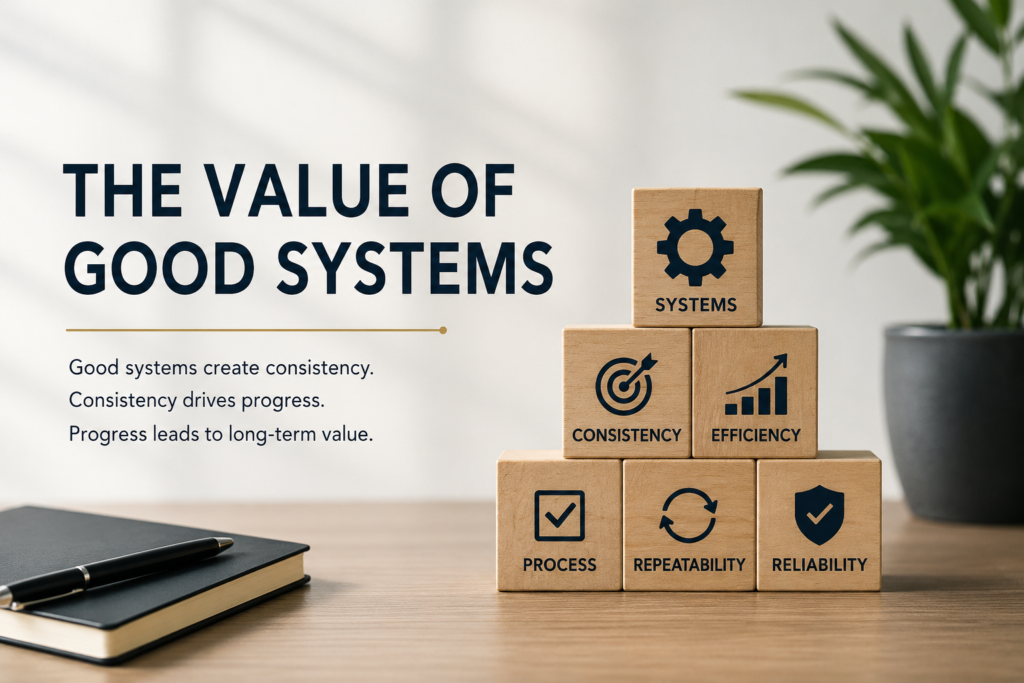
Organizations often invest significant time and resources implementing new systems, improving processes, or modernizing infrastructure. These efforts can require substantial work upfront, but the long-term benefits may include greater efficiency, better decision-making, reduced risk, and improved scalability.
One of the challenges with creating long-term value is that progress is not always immediately visible.
Many worthwhile investments produce results slowly. During the early stages, it can feel as though little is happening. However, as time passes, the effects begin to compound. What once appeared to be a small improvement can eventually lead to meaningful outcomes.
For this reason, I believe it is important to look beyond immediate results when evaluating decisions. While short-term performance matters, it is often helpful to ask a broader question:
What will this decision look like one year from now? Five years from now? Ten years from now?
The answers are rarely certain, but thinking beyond the present can help reveal opportunities and risks that may otherwise be overlooked.
To me, creating long-term value is ultimately about making decisions that strengthen the future rather than simply optimizing the present.
Whether in business, finance, technology, relationships, or personal development, the goal is often the same: build something today that continues to create value tomorrow.